

 Waterkeepers Successful in Push for Better Bacteria Regulations
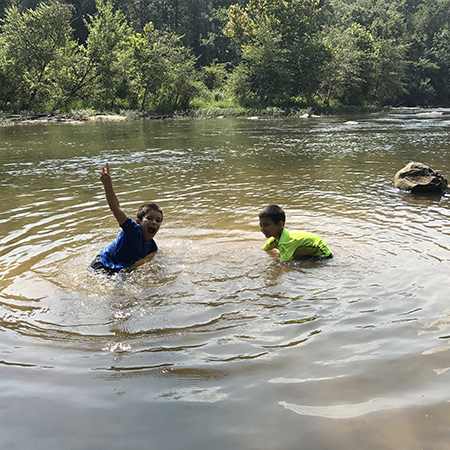
Sewage plants in Alabama will now have to meet tighter limits for E. coli bacteria in order to make it safer to swim and fish in creeks across the state. Several nonprofit water advocacy organizations successfully compelled the state’s government to improve the rules. The new regulations lower the maximum concentration of E. coli that is allowed to be discharged at any given time during the summer by nearly 40%, and increase the period of time those standards apply by 50%, from four months to six months.
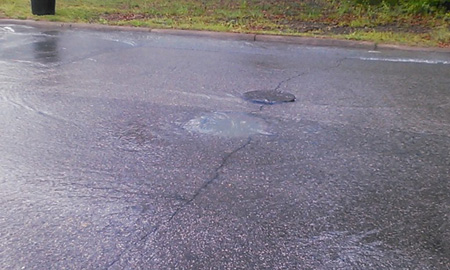 As part of an overall effort to improve reporting and public notification of sewage overflows, the Alabama Department of Environmental Management (ADEM) has released two new tools.
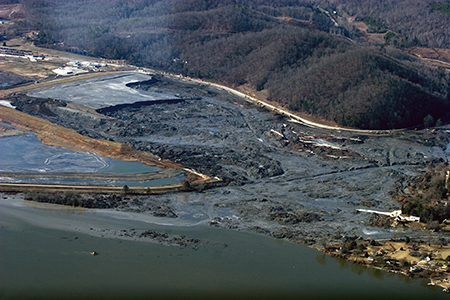 Alabama Power recently released coal ash inundation maps for five of its power plants in Alabama, including all three power plants located in the Black Warrior River basin. Coal ash is the waste that remains after coal is burned. It contains toxic heavy metals including mercury, arsenic, selenium, and chromium, which are harmful to human health, water resources, and wildlife.
 Hope Runyan, a senior at The University of Alabama, has received a grant from to work with , a nonprofit clean water advocacy organization. Runyan, a senior majoring in public relations, will work for the organization as a communications intern throughout the summer. The grant, provided by a partnership between the Munson Foundation and , is the highest award given to a student in the .