The United States spans 9.8 million square kilometers, meaning where you stay shapes your entire trip more than the hotel brand ever will. This guide covers five well-positioned hotels across distinct U.S. regions - from a mountain motel in the Berkshires to an airport-adjacent extended-stay in Philadelphia - giving you the logistical clarity to book with confidence.
What It's Like Staying in the United States
The U.S. offers an almost absurd range of stay experiences - a roadside motel in the Berkshires and a full-service airport hotel in Philadelphia can both be classified as "hotels," yet deliver entirely different trips. Most domestic travel in the U.S. is car-dependent, which means proximity to highways, free parking, and drive-in access often matter more than walkability scores. Coastal destinations like Wildwood Crest fill up aggressively in summer, while Midwest entertainment hubs like Branson, Missouri draw consistent family crowds year-round tied to live shows and attractions.
Budget travelers should note that U.S. hotel taxes can add around 15% on top of listed rates depending on the state - always check the total price before comparing. The country rewards strategic stays: choosing a property with included breakfast or free airport shuttle can meaningfully reduce daily costs in cities like Philadelphia.
Pros:
Enormous geographic and experiential variety - mountains, coastline, entertainment districts, and urban hubs all within the same country
Free parking is standard at most non-urban properties, reducing transport overhead significantly
Extended-stay and suite-style rooms are widely available, making longer trips more livable
Cons:
Without a car, many mid-sized destinations like New Ashford or Branson are logistically difficult to navigate
Resort fees and destination charges are common at U.S. hotels and often not reflected in headline prices
Seasonal demand spikes - especially in beach towns and entertainment hubs - can limit availability if you book late
Why Choose Hotels in the United States
U.S. hotels at the 3- and 4-star level often punch above their price point compared to equivalent categories in Western Europe, particularly when free parking, in-room kitchenettes, and included breakfast are factored in. Extended-stay hotel formats - especially Marriott's Residence Inn brand - are a distinctly American concept that gives travelers full kitchen setups at rates competitive with standard room-only properties. In beach and resort towns, even mid-range hotels often sit within walking distance of the main attraction, removing the need for daily transport costs.
The trade-off is consistency: quality varies significantly by operator and region. A 3-star hotel in Wildwood Crest will look and feel very different from a 3-star in downtown Philadelphia. In entertainment-focused markets like Branson, hotels bundle value through on-site amenities - pools, spas, evening entertainment - rather than location centrality, since most Branson attractions require a short drive regardless of where you stay. Properties in the U.S. also tend to offer larger room footprints than European equivalents at similar price points, averaging around 30 square meters even at mid-range level.
Pros:
In-room kitchenettes and full kitchens are common, especially in extended-stay formats - a real cost-saver on longer trips
Free parking included at most suburban and small-town properties - no daily garage fees
On-site amenities like pools, fitness centers, and breakfast are bundled at mid-range price points more often than in comparable international markets
Cons:
Hotel quality within the same star rating varies widely by region - star ratings are self-reported and inconsistently applied across the U.S.
Properties near airports or highways often lack walkable surroundings, making them functional but not atmospheric
Resort fees and parking charges can apply even when advertised as "free" - always read the fine print on the booking page
Practical Booking & Area Strategy
The U.S. hotels in this guide span four distinct regions, each with a different strategic logic. In the Berkshires of western Massachusetts, New Ashford sits in a quieter corridor between Pittsfield and Williamstown - accessible via Route 7 and well-placed for Tanglewood visits in summer. Wildwood Crest on the New Jersey Shore operates almost entirely on a summer calendar, with peak occupancy from late June through Labor Day; booking at least 8 weeks out is standard practice for beachfront properties. Branson, Missouri is an entertainment-first destination where virtually every attraction - Mickey Gilley Theatre, the Titanic Museum, Table Rock Lake - requires a car, so staying near Route 76 (the "Strip") matters more than proximity to a downtown core.
Philadelphia's hotel market splits cleanly between airport-zone extended-stay options and Center City properties. The Residence Inn near Philadelphia International sits under 1 km from the terminal, making it the most logical layover or early-departure base in the region. For cultural visits - Penn Museum, Reading Terminal Market, Independence Hall - staying in Center City adds around 20 minutes of transit time but eliminates the need for a rental car entirely. Branson and the Berkshires both reward mid-week bookings, where weekend premiums on leisure properties can run noticeably higher.
Mountain & Nature Retreats
Properties set against mountain or natural backdrops in the U.S. Northeast and Ozarks offer a quieter, landscape-driven stay experience - typically with more outdoor space, less urban noise, and amenities calibrated for relaxed, multi-night visits.
-
1. The Springs Motel
Show on map


 Check-infrom 16:00 until 20:00Check-outuntil 11:00
Just a few rooms left at the best rate!
fromUS$ 212
Beach & Boardwalk Hotels
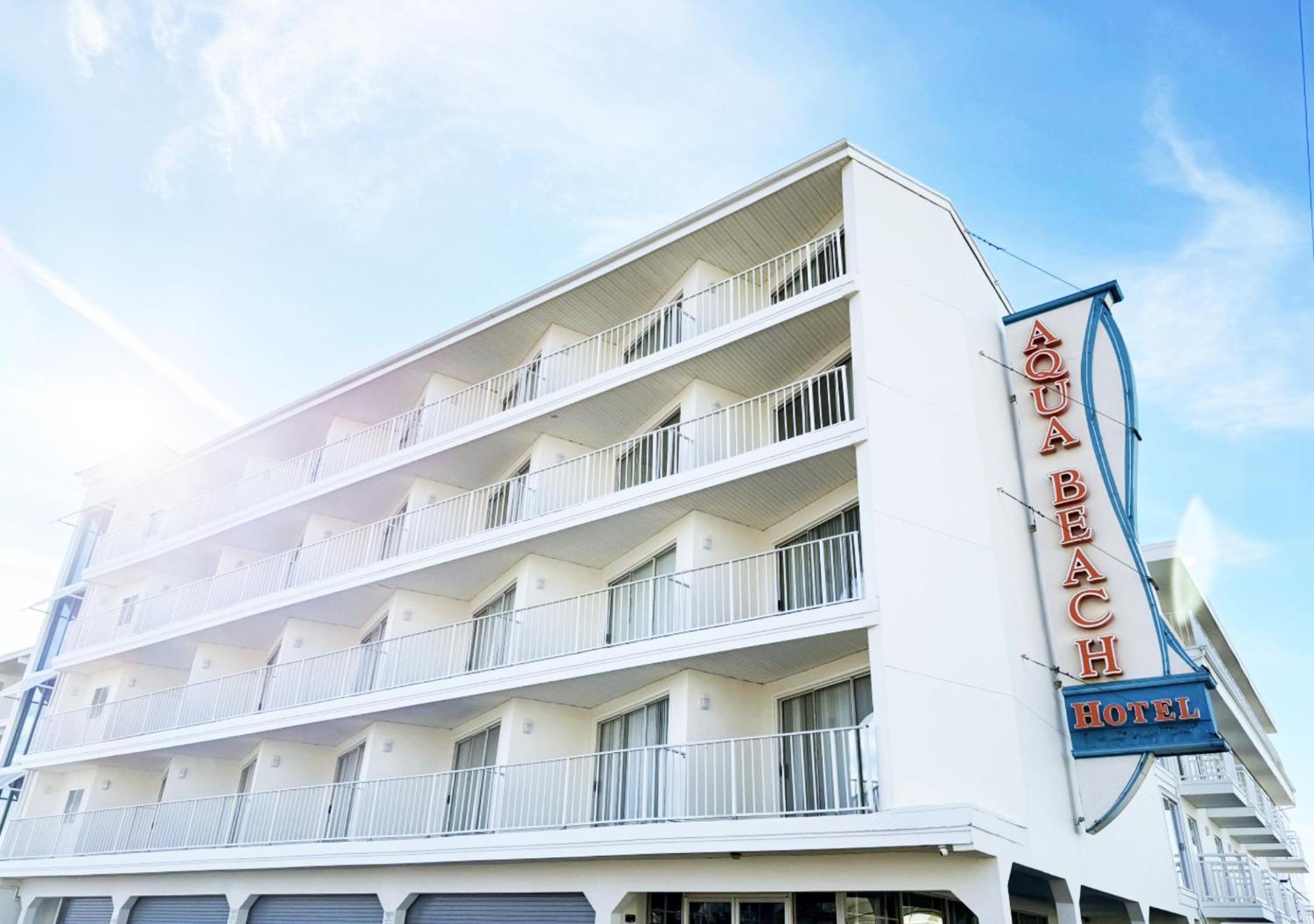
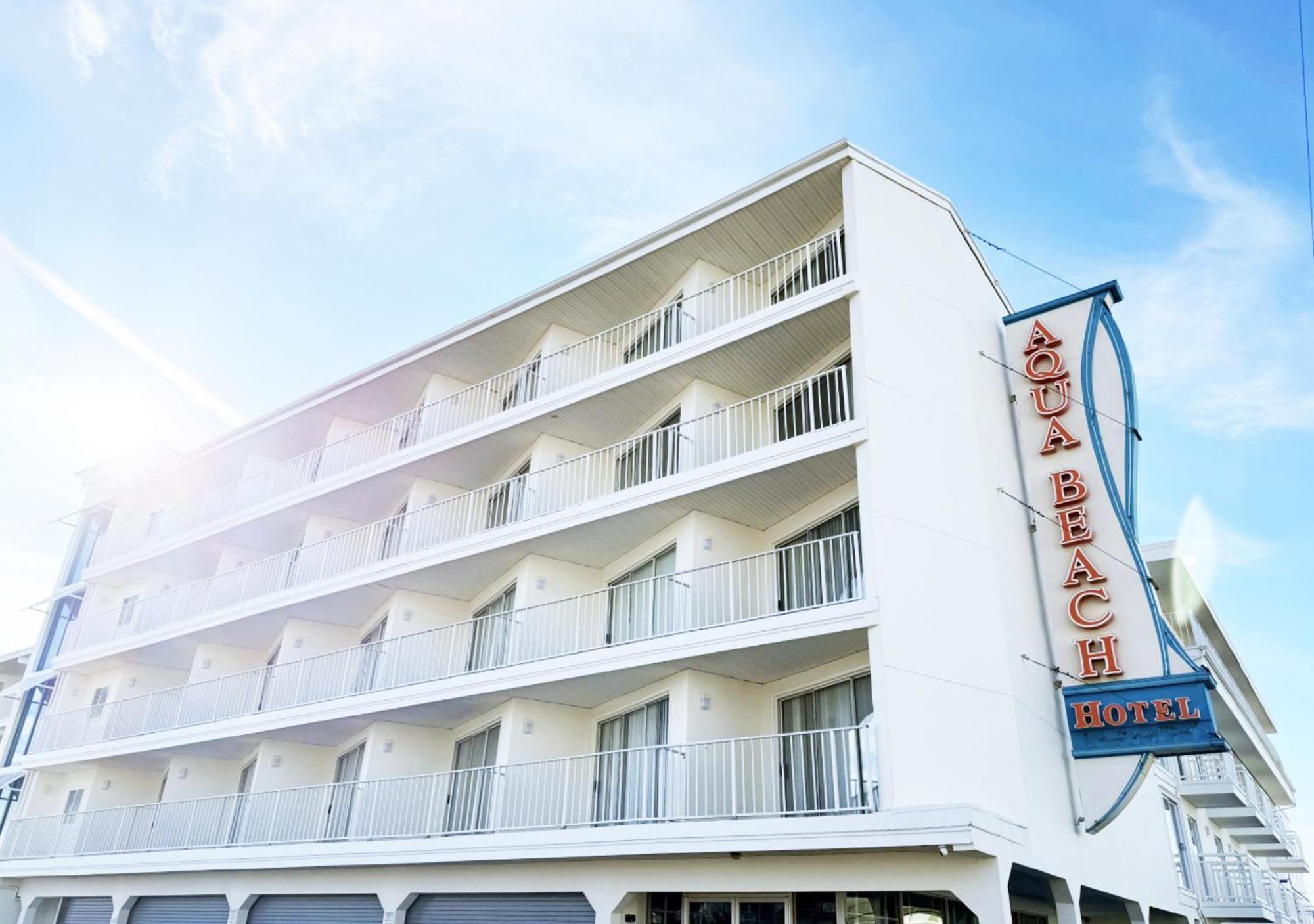
Along the New Jersey Shore, proximity to the beach is the primary booking variable - these properties are booked for their outdoor and coastal access, not urban amenities, and availability during peak summer weeks tightens fast.
-
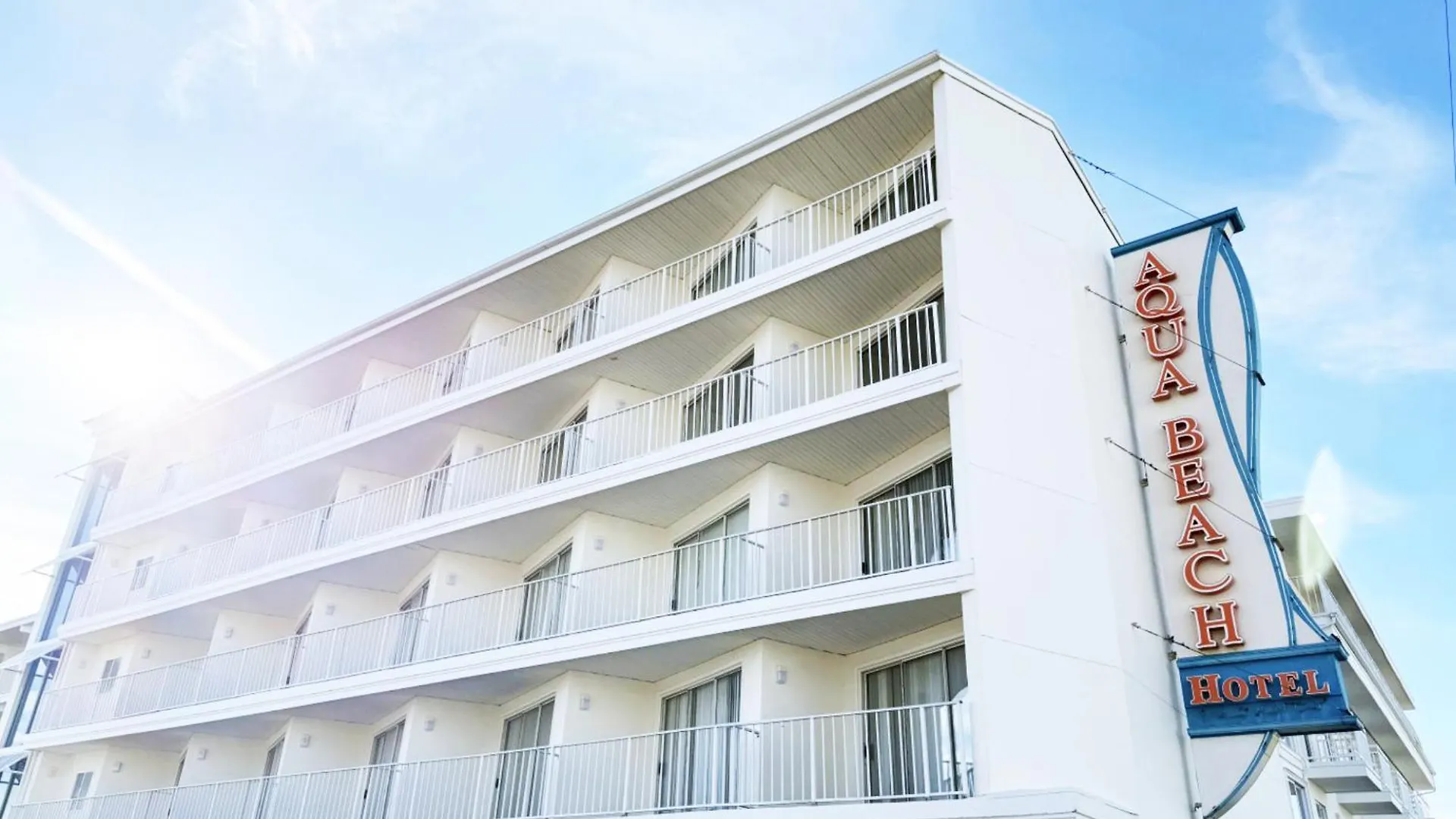
2. Aqua Beach Hotel
Show on map


 Check-infrom 16:00 until 23:59Check-outuntil 10:00
Just a few rooms left at the best rate!
fromUS$ 82
Branson Entertainment Hotels
Branson, Missouri operates as a self-contained entertainment destination where hotels compete on amenities as much as location - most shows, attractions, and restaurants cluster along Route 76, making on-site facilities a key part of the stay value.
-
3. The Retro Hotel
Show on map


 Check-infrom 15:00 until 23:00Check-outfrom 08:00 until 11:00
Hurry – almost gone at this price!
fromUS$ 98
-
4. Best Western Music Capital Inn
Show on map


 Check-infrom 16:00 until 23:59Check-outuntil 11:00
Hurry – almost gone at this price!
fromUS$ 110
Airport & City-Accessible Hotels
Philadelphia's airport corridor offers some of the most logistically efficient hotel options in the Northeast - particularly for travelers with early flights, late arrivals, or regional business visits that don't require staying in Center City.
-
5. Residence Inn By Marriott Philadelphia Airport
Show on map


 Check-infrom 15:00 until 23:59Check-outuntil 12:00
Rooms filling fast – secure the best rate!
fromUS$ 177
Smart Travel & Timing Advice
The United States has no single peak travel season - it varies sharply by region. The Berkshires peak in July and August during the Tanglewood season and again in October for foliage, when last-minute availability near New Ashford effectively disappears. Wildwood Crest and the Jersey Shore operate on a Memorial Day to Labor Day calendar, with mid-July through mid-August being the tightest booking window - properties with free parking fill first. Branson, Missouri runs year-round but peaks in summer and again around the holidays (November-December), when the city's Christmas shows draw large family groups; booking at least 6 weeks out during these windows is advisable.
Philadelphia's airport hotel market is more stable year-round, driven by business and transit demand rather than leisure seasonality. For the Residence Inn near PHL, last-minute rates can occasionally be competitive mid-week, but weekend rates near major event dates at Citizens Bank Park or the Wells Fargo Center spike sharply. Across all five properties in this guide, mid-week stays (Tuesday-Thursday) average noticeably lower rates than weekend nights - a consistent pattern in U.S. leisure and mixed-use hotel markets. For the Berkshires and shore properties specifically, a minimum 3-night stay in peak season often unlocks better nightly rates and secures preferred room types.